
Take the guestwork out of your practice
To learn more about me, visit ThomasGunther.com
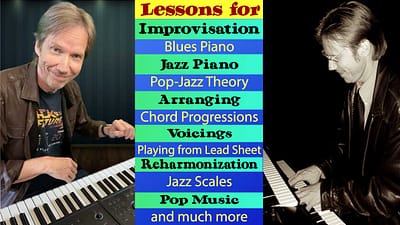
Stop Wondering What to Practice—Start Making Real Progress at the Piano
Most piano students don’t struggle because they lack talent—they struggle because they don’t have a clear, effective way to practice.
I help you develop a personalized practice approach tailored to your level and musical goals, so you can make consistent progress and enjoy your time at the piano again.
I work with students of all ages and levels—from complete beginners to experienced players—and tailor each lesson to your individual goals.
Lessons are held online, and you’re welcome to book a free trial session to see if it’s a good fit.
There’s no commitment—lessons can be taken as regularly or occasionally as you like.
In my lessons, I focus on helping you understand how things work—not just what to play. These video tutorials show how I break down concepts at the piano so you can apply them directly in your own playing.
If you’d like to work on these kinds of ideas in a structured, personalized way, you’re welcome to book a free trial lesson.

Do You Know What & How to practice to get Real Results?

My main frustration with practicing pop-jazz piano can be summed up with a simple question: What should I practice and how can I do it to improve quickly?
Classical musicians usually don’t encounter this problem. They pick a song and start learning it. They also typically have a warm-up routine and a set of very specific technique exercises they do regularly.
For us jazz musicians, though, it’s a whole different story. We aim to learn how to create music spontaneously, which requires a completely different approach to practicing.
Over the years, I bought many books that promised to improve different aspects of my piano playing. They quickly filled half of my bookshelf. Unfortunately, having all these great resources didn’t make it any easier to decide what to practice and what not to; in fact, it made it even more confusing.
Whenever I had free time to practice, my main problem was deciding what to focus on. There were so many skills I wanted to improve. But even after choosing what to work on, I still wasn't sure how to practice efficiently. Instead of focusing on meaningful practice, I often just jammed on a tune I already knew. It was fun, but it didn’t really help me improve much. I can’t count how many hours I wasted just noodling instead of practicing systematically.
Top players know How To get better fast
My frustration led me, at age 14, to finally take lessons with a jazz piano instructor at our local music school. It was one of the best decisions I ever made for my piano career. He quickly identified my weaknesses, both musically and methodically. He quickly designed a set of specific exercises and a practice plan tailored to my needs that helped me improve my playing very quickly. Additionally, he reinforced my belief that I am talented and capable. It was an amazing experience. Yes, it cost me some money, but it was definitely worth it.
After three months of weekly lessons, he told me I was ready to meet with him only twice a month. We continued this schedule for two months. Afterwards, we agreed that I should schedule an occasional lesson only when I felt I needed his guidance. I will be forever grateful that he took me on as his student. I still benefit from his advice today, and I have applied much of it in my lessons to help my own students.
What defines a great teacher?
For me, a great teacher is someone who can immediately identify your strengths and weaknesses. Using those insights, they develop a practice method and guide you to resources that are perfectly tailored to your personal needs, helping you improve quickly. Achieving this requires years of experience from teaching many students with diverse backgrounds.
Additionally, a great teacher also has certain character traits that make students feel comfortable. Here are some examples:
Characteristics of a great instructor
Am I one of those teachers?
With decades of experience teaching jazz piano and contemporary keyboard to students of all ages and backgrounds, I know how to help each student develop a clear and effective approach to improving their playing—while creating a positive, encouraging environment in every lesson.

Thomas Gunther with his students at Columbia College Chicago
What I Want to do for you
1. Design the practice method that's right for you
It's a fact that each person learns differently. This means that a practice method that works well for one individual might be ineffective for another. An experienced teacher can quickly identify how you learn best so you don't waste time practicing in a way that doesn't suit you.
2. Give You Constructive Feedback
Another important advantage of taking lessons with a real person rather than, for example, watching a YouTube video, is that you receive instant feedback.
For example, whenever you perform for your instructor, a new deficiency might surface that you hadn't noticed on your own. I can address this immediately and adjust your practice plan accordingly.
2. Motivate You
Praise from someone you admire can be very impactful. I will inform you honestly when you're not performing well in a manner that encourages improvement rather than discouragement. Achieving this balance requires experience, as each student is unique.
About Regular vs. On-Demand Lessons
Regular Lessons (Beginner to Intermediate Students)
From my experience, less experienced piano players benefit a lot from taking lessons regularly. Here's why. Most importantly, when taking lessons weekly with a skilled instructor, you'll learn how to practice systematically and build an efficient practice routine, which is key to improving quickly! After you've taken lessons regularly for a few months, you might start to space out the lessons from once a week to once every two weeks, and so on.
Lessons On-Demand (Intermediate to Advanced)
If you are an intermediate to advanced player, you might prefer taking lessons on demand only. For example, you can schedule a lesson to address a specific problem and won't return until you have another issue that needs solving.
Post that might interest you:
Benefits Of Taking Jazz Piano Lessons